How did I become
the person
who sees the world
this way?
There Were
Never Boundaries.
Not between art and technology.
Not between strategy and execution.
Not between imagination and innovation.
Only opportunities
waiting
to be understood.
This isn't a résumé.
It isn't a portfolio.
It's the journey of how
a way of thinking
was formed.
Seeing differently was never something I learned to call a skill.
“It’s in the still that we can experience the extraordinary.”™
Moving between intimate distance and direct engagement—as both voyeur and participant—to step close enough to understand, yet far enough away to see relationships, patterns, and possibilities that might otherwise remain invisible, is a philosophy that has followed me throughout my life.
I was born into a family of artisans. My grandfather was an internationally regarded photographic retoucher. My Nana taught me to recognize possibility in what others might overlook. My grandmother, on my mother’s side, taught me how to create fertile soil; my mother taught me to question everything; and my father—a true Renaissance man—made an extraordinary promise when I was young:
He intended to teach me everything he knew.
He did not mean one profession.
Carpentry. Design. Photography. Writing. Illustration. Painting. Making. Repairing. Understanding how things worked, and developing the confidence to believe that if something could be imagined, anything was possible.
That education came with another lesson: ideas were not enough. Craft required discipline.
I had entered my first apprenticeship and begun learning the old-school practice of honing a craft under someone who had already mastered it. By sixteen, that foundation had given me the confidence to start my own company and pursue two very different professional apprenticeships: advertising and master carpentry.
They may have appeared unrelated.
They never felt that way to me.
Both taught me to observe carefully. To understand materials, technical details, context, and structure. To respect the discipline behind craft and to consider the system or person who would ultimately experience what I made—and to recognize that mastery is not a destination, but a lifelong practice of curiosity, discipline, and refinement.

Needles
and Thread
The first lesson in seeing possibility where others saw only pieces.
My Nana never told me she was teaching me how to think. She simply invited me to sit beside her.
With a needle, thread, patience, and care, I learned that separate pieces could become something stronger, warmer, and more meaningful together.
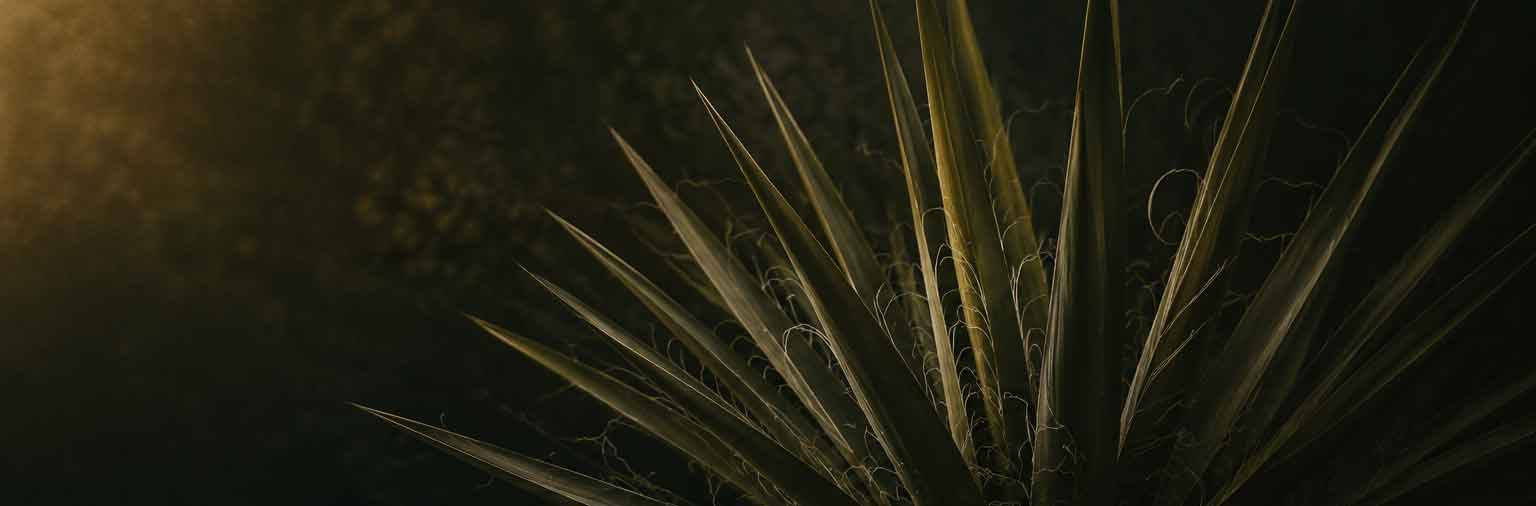
Years later, Needles and Thread (shown in the next chapter) became more than a portrait of a Yucca Nana plant. It became a way of recognizing what had been forming all along.
Whether I am composing an image, designing an experience, guiding an organization, or helping a team find clarity, I am still following the same thread.
Long before I understood strategy, leadership, or technology, I learned that extraordinary things begin by seeing how individual pieces belong together.
Some lessons are stitched in before we have the language for them.

©Kiersten Stein "Needles and Thread" Portrait of Yucca Nana
Learning
to See
Curiosity became the discipline behind every meaningful decision.
I have always believed that the world reveals more to those willing to pause.
A plant was never simply a plant.
Light became texture. Texture became pattern. Pattern became relationship. Relationship became understanding.

Somewhere along the way, I realized I was not only studying nature. I was learning how to observe.
Years later, I would recognize those same patterns inside organizations, customer journeys, technology, operations, and leadership.
Different subjects. The same way of seeing.
Curiosity is not simply asking better questions. It is learning to notice what others have stopped seeing.
Another kind of utility.


The Alchemy
of Making
Sometimes seeing differently begins with something no one expects us to notice.
A metal utility box, for example. Built to house communications and electrical systems, these boxes occupy sidewalks, intersections, and the edges of neighborhoods, necessary, but rarely beautiful, and often tagged or treated as something belonging to no one.
What if utility could mean something more?
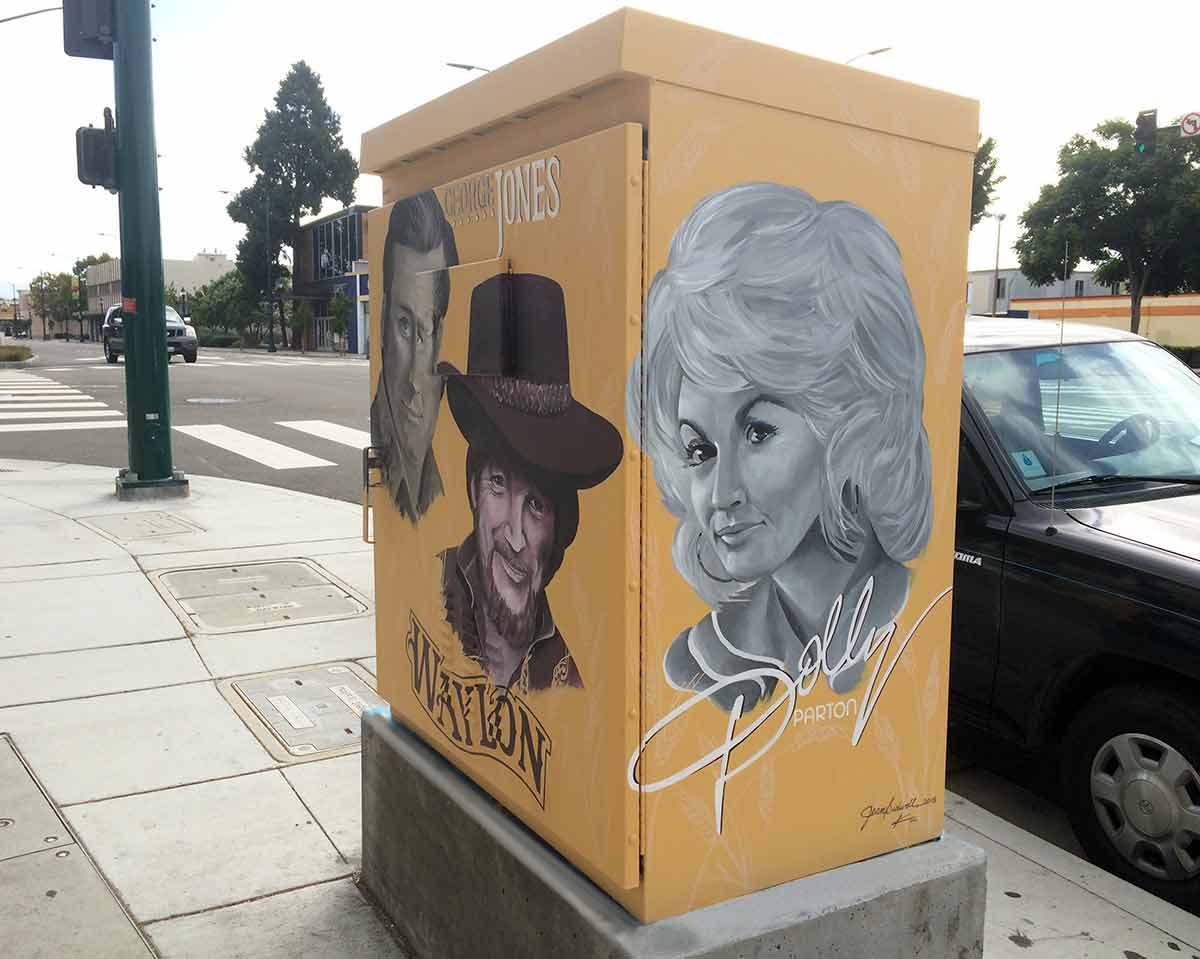
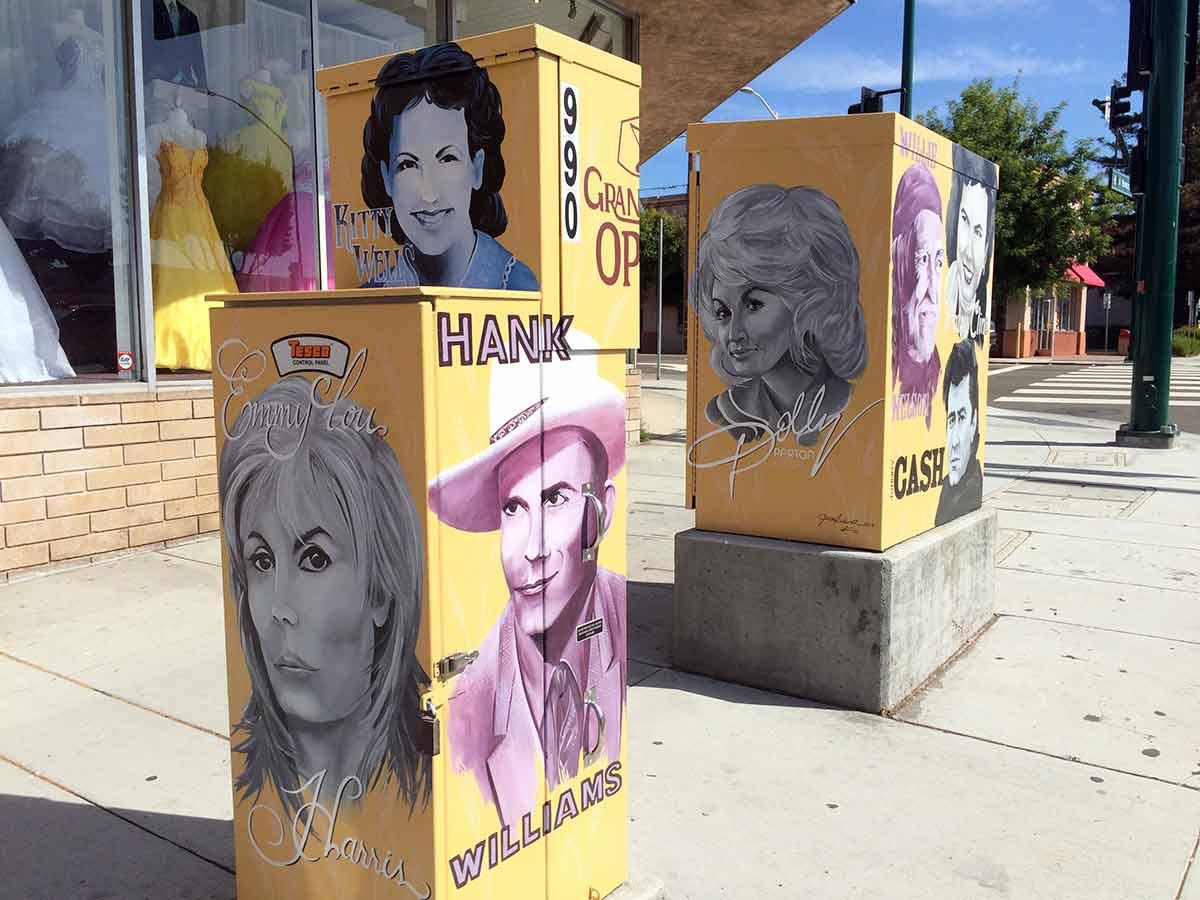
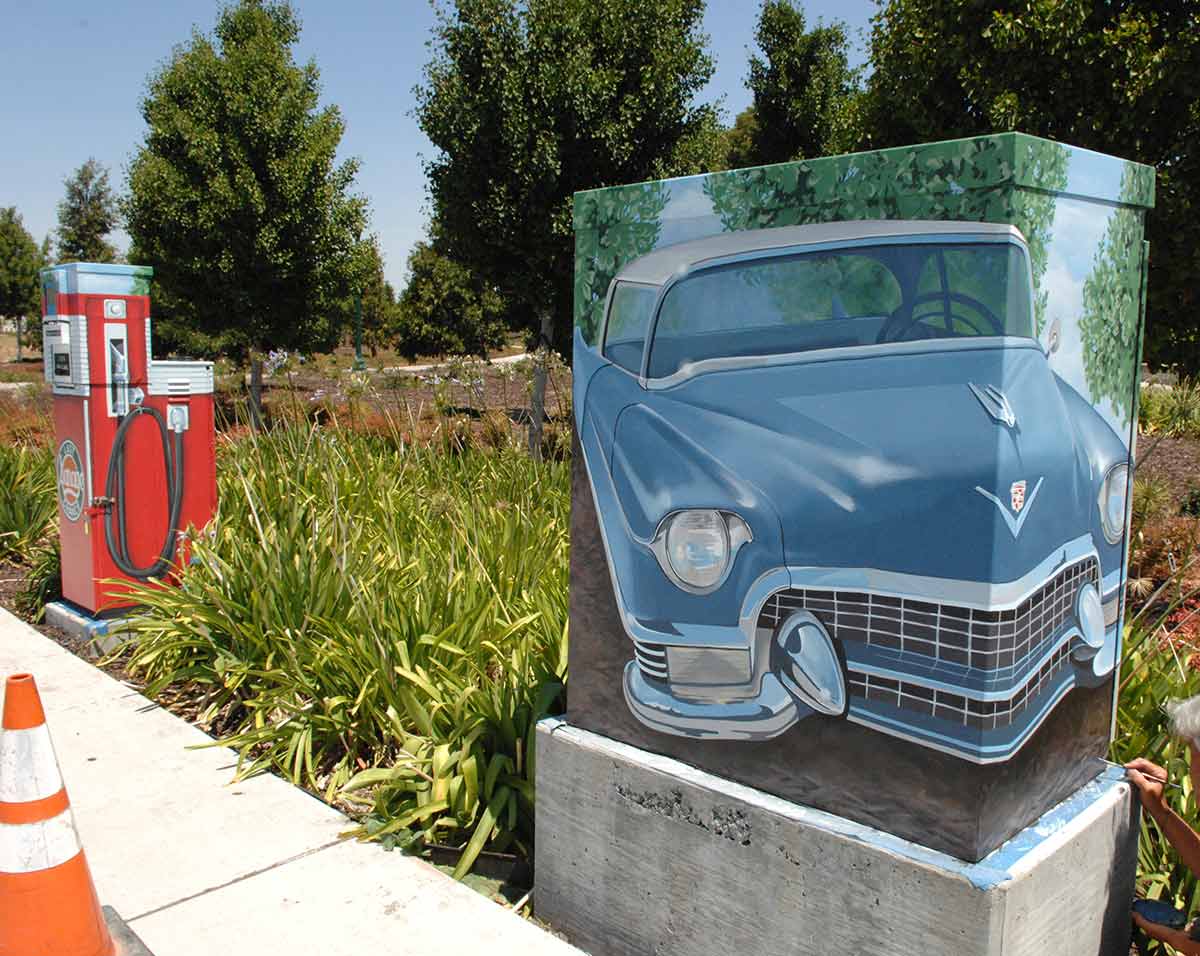
I had the opportunity to design and paint a series of these boxes alongside seasoned muralist Jean Bidwell. The murals are meant to transform public infrastructure through art to discourage graffiti and vandalism, encourage neighborhood stewardship, and create something people recognize as belonging to the place they call home.
On Main Street, two different-themed boxes sat a block apart honoring musicians whose work had crossed generations, genres, cultures, and communities: country western and folk featuring artists like Dolly Parton and Emmylou Harris on the first two and classic rock-and-roll artists like Janis Joplin and Bob Dylan, on the others. Positioned near the entrance to downtown, they became, in a small way, a means of bringing the outskirts inward.
Elsewhere, at a busy intersection where many paths converged, another box became a 1955 Cadillac and vintage gas pump—a nod to a boulevard known for its auto shops. Set against a sea of agapanthus, the Cadillac seemed almost to emerge from the landscape. As cars stopped at the red light, something that was designed to disappear into the infrastructure became something to ponder or reminisce.
Jean taught me much more than how to paint at that scale. She is a descendant of John and Annie Bidwell, whose history is deeply intertwined with Chico, California, agriculture, education, public service, community, and philanthropy. Jean carried those threads forward in her own way.
For her, mural making was almost a ministry.
People stopped while we worked; some stopped out of curiosity, others wanting to tell us what a particular musician or image meant to them. People experiencing homelessness were often drawn to the activity, and Jean listened and made people feel seen and heard.
On larger sound-wall murals, she created opportunities for members of the community to participate, giving people with different levels of experience a way to put their own hands into something they would later pass and know they had helped create. Watching her reminded me that, what we inherit from those who came before us, does not have to be repeated to be carried forward.
Some people plant crops, some plant ideas, and some sew threads between people.
And sometimes we discover that the things planted in us long ago have been quietly growing all along.
For me, painting outside was also a return. My history as a commercial artist is a long one. I illustrated for medical publications, created fashion illustrations for Burlington's swatch books, sketched and designed toy cars for Hot Wheels, and created artwork for KLM Royal Dutch Airlines, among many other projects. Historically, the fine art I made was usually given as a gift; professionally, making images had been part of how I earned a living.
But careers evolve. As I moved into creative direction, and eventually oversaw a studio, my responsibility increasingly became guiding the larger vision. That meant bringing together talented illustrators, designers, photographers, writers, and specialists; helping them understand what we were trying to accomplish; recognizing where their abilities exceeded my own; and creating something together that none of us might have made independently.
At the same time, the digital age was changing the tools and changing me. More and more of my creative life happened through a monitor. So when the opportunity came to paint alongside Jean, picking up a brush again felt like returning to a language I hadn't forgotten, but hadn't been speaking nearly enough.
I swapped monitor burn for sun and wind burn.
Literally. There were surfaces to prepare, materials to understand, and weather to negotiate. Scale changed how the eye worked; hours of painting changed how the body worked.
My hands remembered things a keyboard didn't ask of them.
It was challenging and healing, and a breath of fresh air in every sense of the phrase.
Working alongside people whose talents differ from my own has always expanded what I thought possible. Creative direction taught me early that collaboration isn't about being the most talented person in every discipline. It is about understanding enough to recognize what excellence requires, knowing what you can contribute, knowing when someone else's expertise should lead, and creating the conditions for those abilities to become something larger together.
We scale one another.
There is humility in working beside someone who has spent years developing a craft. For a while, you borrow their eyes. You begin to notice where experience has taught them to slow down, what they have learned to pay attention to, and things you didn't know you needed to notice. In return, you contribute something of your own.
Eventually, those experiences become part of your vocabulary, and being a multipath has allowed me to accumulate many.
It also taught me something about friction. As human beings, some friction is formative: the difficult surface, the unfamiliar skill, the failed attempt, the physical effort, or the person whose experience challenges our own. Those encounters can develop dexterity, judgment, resilience, gratitude, and understanding, but when we build something intended to serve another person, unnecessary friction has a different consequence, it just gets in the way.
The inside of a utility box does exactly what it’s designed to do, but outside, when we apply imagination it becomes something entirely different: a landmark, a memory, a conversation, an invitation to look again.
The more I looked, the more connected everything became.


Making the
Invisible Visible
When ideas become experiences, understanding becomes personal.
Years ago, I stopped asking how information could be presented. I became far more interested in how it could be experienced and I discovered that understanding changes when people participate.
Reading informs us; experience transforms us.
Long before immersive experiences became commonplace, I was exploring how people could move through ideas rather than simply observe them.
From creating virtual 3D galleries displaying eyewear and medical devices for Nike, to building a virtual Hall of Fame, dimensional thinking and storytelling became ways to deepen engagement, giving people the opportunity to explore, discover, and understand ideas and products for themselves.
Technology was never the destination. It was another language for helping people engage.
The most powerful ideas are not simply communicated. They are experienced.
Ideas become meaningful when they improve lives.

Tape•Mates™, patented Kiersten Stein / Madison Group International
Designing Better
Experiences
The best design quietly removes friction before anyone notices it existed.
I became increasingly fascinated by a simple question:
Why does complexity become accepted simply because it has always existed?
Some systems are inefficient because no one has paused long enough to question them. Some experiences are wasteful because no one has imagined a better way.
I learned that innovation is not always about adding more. Often, it is about removing what no longer serves the people, the process, or the purpose.
That way of thinking shaped how I approached product development, packaging, operations, customer experience, and every system I have helped improve since.
Record label executives, retailers, and artists—including Sting—agreed.
Good design rarely asks people to work harder. It quietly removes the obstacles that never should have existed.
Another Way of Seeing.

Discover a Tie of Another Kind
Everyday products often hide extraordinary possibilities. Sometimes innovation isn't about creating something new; it's about inviting people to see familiar things through a different lens.
For Tyz-All, the opportunity wasn't simply selling reusable plastic ties. It was revealing how one simple product could organize, secure, and simplify hundreds of everyday situations.
One campaign invited people to “Follow the Yellow Strip Road.” The familiar metaphor became a path of discovery, encouraging customers to rethink what they believed was an ordinary utility product. Supported by an integrated identity system, advertising campaign, packaging, and direct mail featuring bookmarks with removable plastic ties, the brand shifted from explaining features to revealing possibilities.
Whether designing products, customer experiences, or brands, the principle remained the same: meaningful design removes friction by making value obvious.

Good ideas earn trust. Trust creates opportunity.

Building
What Lasts
Systems should serve people, the planet, and the future.
The same principles that shaped alternative packaging designs in an era that pushed back on recycled materials guided what came next.
Over time, I came to understand that materials alone were not the source of savings. The value came from the relationship between design, material choices, production, distribution, and use.
Better outcomes came from seeing the whole system, not just the product in front of me.
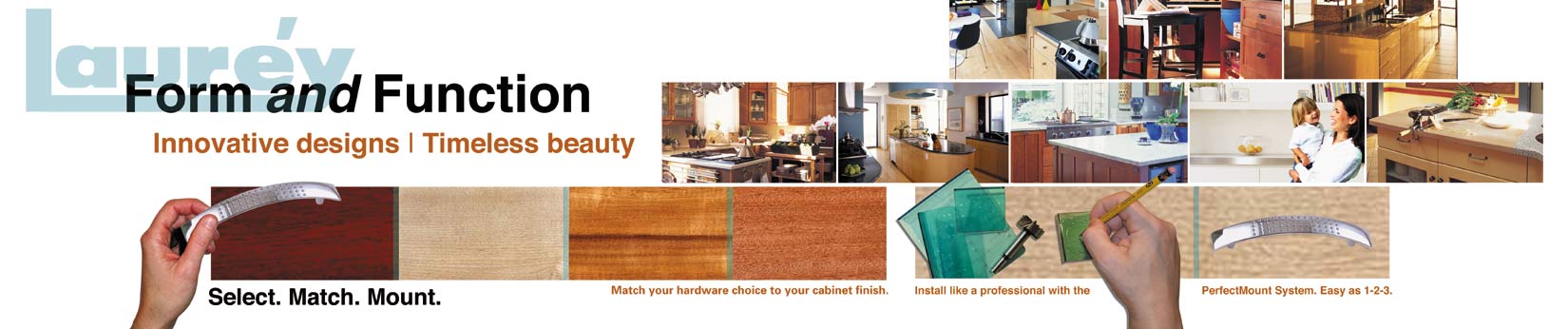
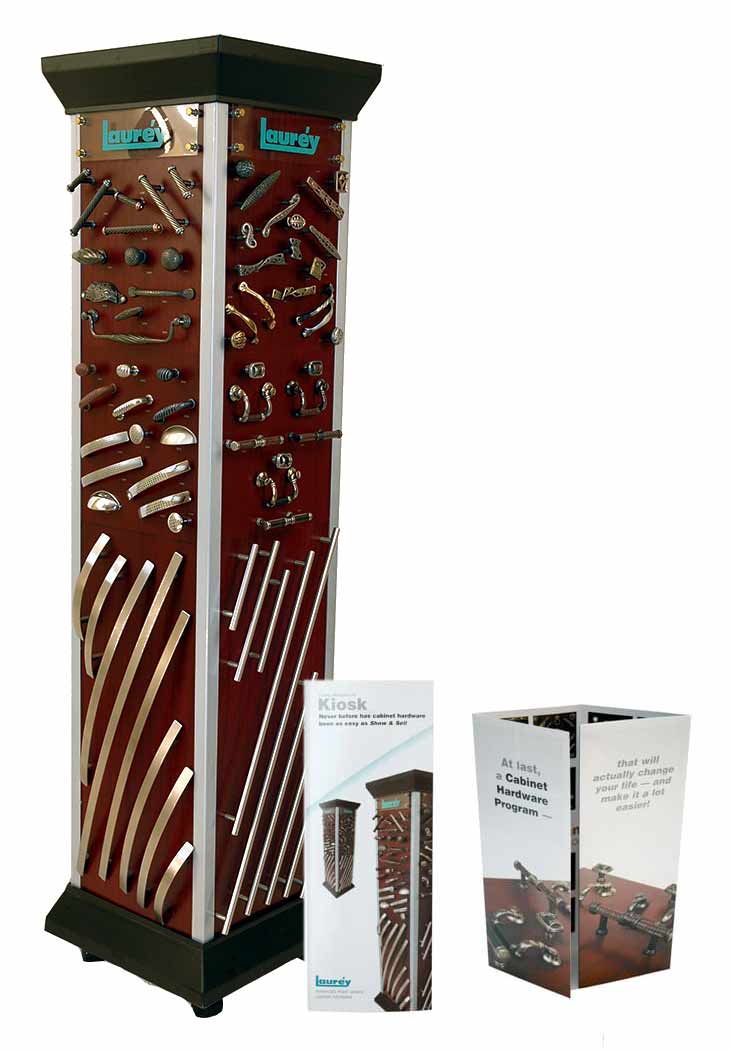
That way of thinking continued to shape how I approached retail hardware, customer experience, operational efficiency, and the systems people depend on every day.
This modular hardware system allowed the displays to be standalone units or coupled to fit a variety of retail spaces. The display signage was designed so the consumer could choose an item and easily conceptualize how the knob, handle, or hinge would look with their furniture's finish.
We also produced the placards in English and Spanish to cater to the retailer's demographic.
Lauréy: Form and Function - Beauty and Brains | Where the accent is on quality.
Innovation is not always about adding more.
The thread continues.


Understanding grows when it is shared.
Teaching Others
to See
How do children experience learning instead of memorizing it?
Eventually, the same questions that shaped my creative and technical work found their way into a classroom.
I wanted students to experience learning as something dimensional—something they could research, write, design, build, and move through.
Technology wasn't the lesson, it was the bridge.

By combining 3D environments with curriculum the work became more than an assignment. It became a way for students to imagine possibilities they had not yet been invited to see.
They each chose an artist, had to make a painting in that artist's style, researched the food, architecture, and history of the artist's time, and then learned how to design their 3D cafe in Virtus, to align with their artist. Once built, I incorporated their writings, recipes, and artworks inside their cafes.
Years later, post-graduation, many students shared how that experience expanded their sense of what was possible for their own futures.
But one student, Ariel, changed my understanding of what that kind of opportunity could mean. When she entered the program, she was extraordinarily shy and introverted, often hesitant to engage. As the program unfolded, something began to shift. She came out of her shell socially. Her curiosity bloomed. She began to participate, explore, and see possibilities in herself that had not been as visible before.
Watching that transformation changed me, too. It reinforced something I would carry into every leadership role that followed: the most meaningful measure of what we build is not simply what we accomplish ourselves, but what becomes possible for others because we helped create the conditions for them to grow.
Jack Welch would articulate a similar principle: before becoming a leader, success is about growing yourself; once you become a leader, success becomes about growing others. Ariel had already taught me what that looked like in practice.
Leadership is measured by what continues growing after you have stepped away.
The distance between expertise and understanding is communication.
Technical
Storytelling for Industrial Innovation
Throughout my career, I've discovered that organizations often possess remarkable expertise that remains largely invisible to the people they hope to serve.
Engineers naturally communicate through specifications, features, and technical language. Customers make decisions through understanding.
My role has frequently been to bridge those worlds, revealing the relationships between technology, people, and outcomes so complexity becomes confidence.
Whether through immersive digital experiences, operational systems, customer journeys, or strategic storytelling, the objective remains the same: transform expertise into understanding without diminishing the expertise itself.
By combining strategy, messaging, immersive design, Autodesk Maya 3D visualization and animation, and supporting digital content, the experience shifted from listing capabilities to demonstrating them.
I have found, technology becomes more valuable when people can clearly understand what it makes possible.
Great ideas rarely speak for themselves. Someone must help others see what they're truly capable of making possible.

Seeing through another lens.

Reframing
the Familiar
How does empathy change what we see and what we choose to create?
Every product, brand, and experience can be understood from more than one perspective.
Sometimes the work begins with the product itself. Sometimes it begins with the person using it. And sometimes it begins in the distance between what an organization intends to communicate and what people actually experience.
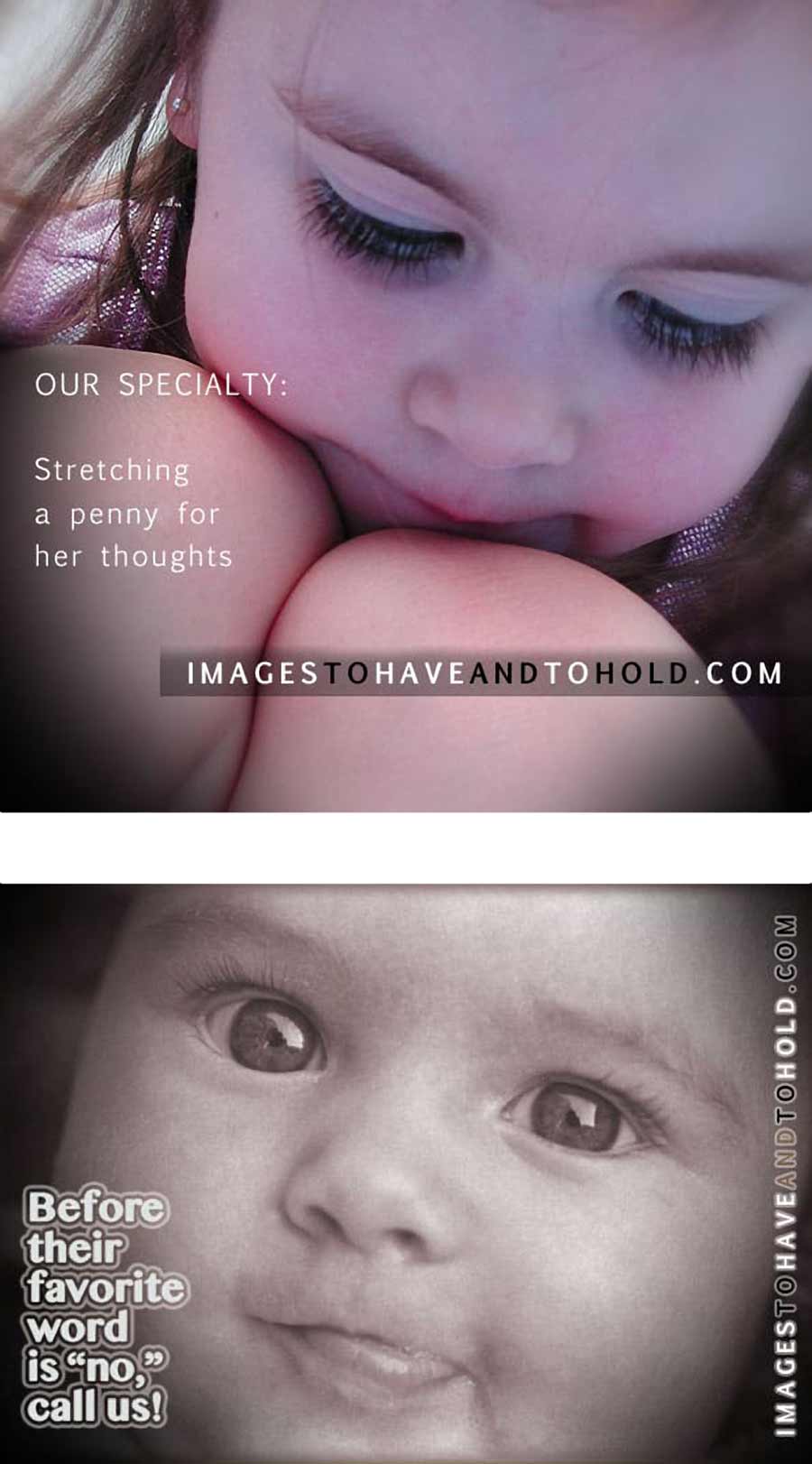
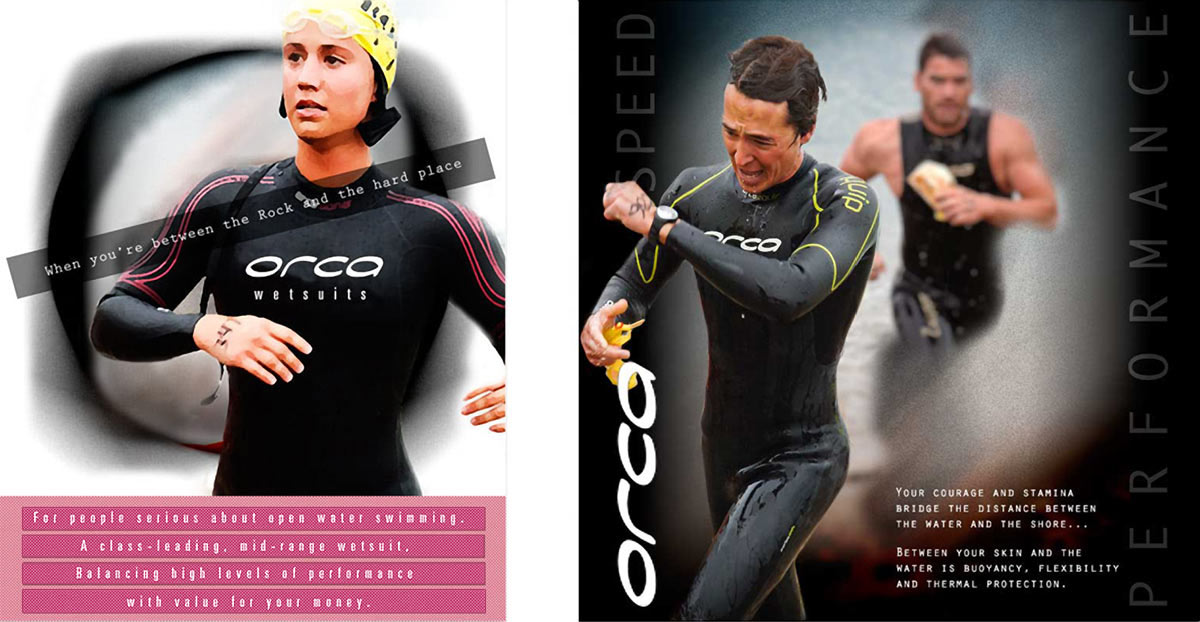
I learned to look for what lived beneath the surface: the human moment, the emotional truth, the overlooked perspective that could make an idea more relevant, useful, or meaningful.
Whether photographing endurance, exploring product performance, or reimagining how women might see themselves inside a brand narrative, the question remained the same:
What changes when we stop looking at people as an audience and begin seeing the world from their perspective?
Empathy is not softness. It is precision. It changes what we notice, what we question, and ultimately what we choose to create.
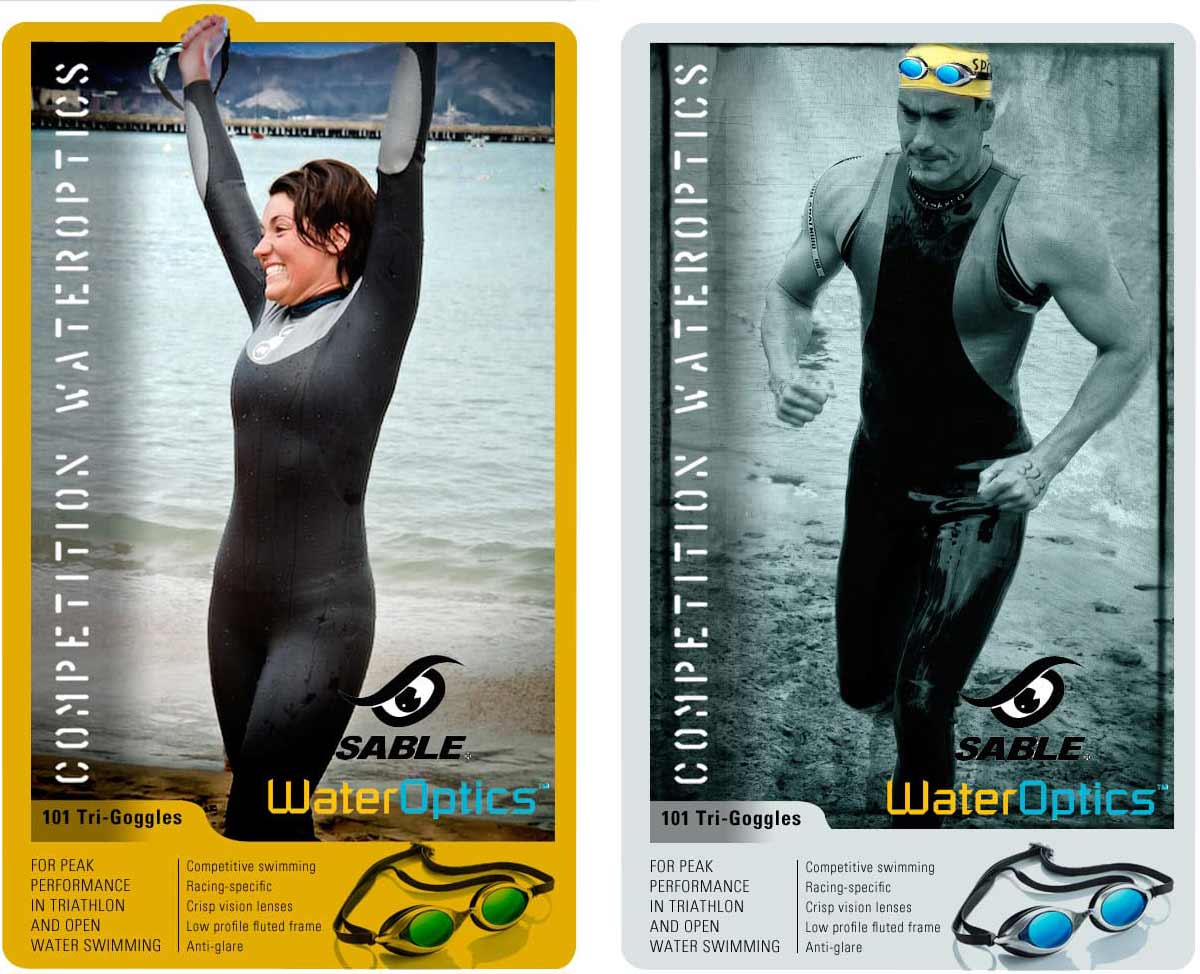
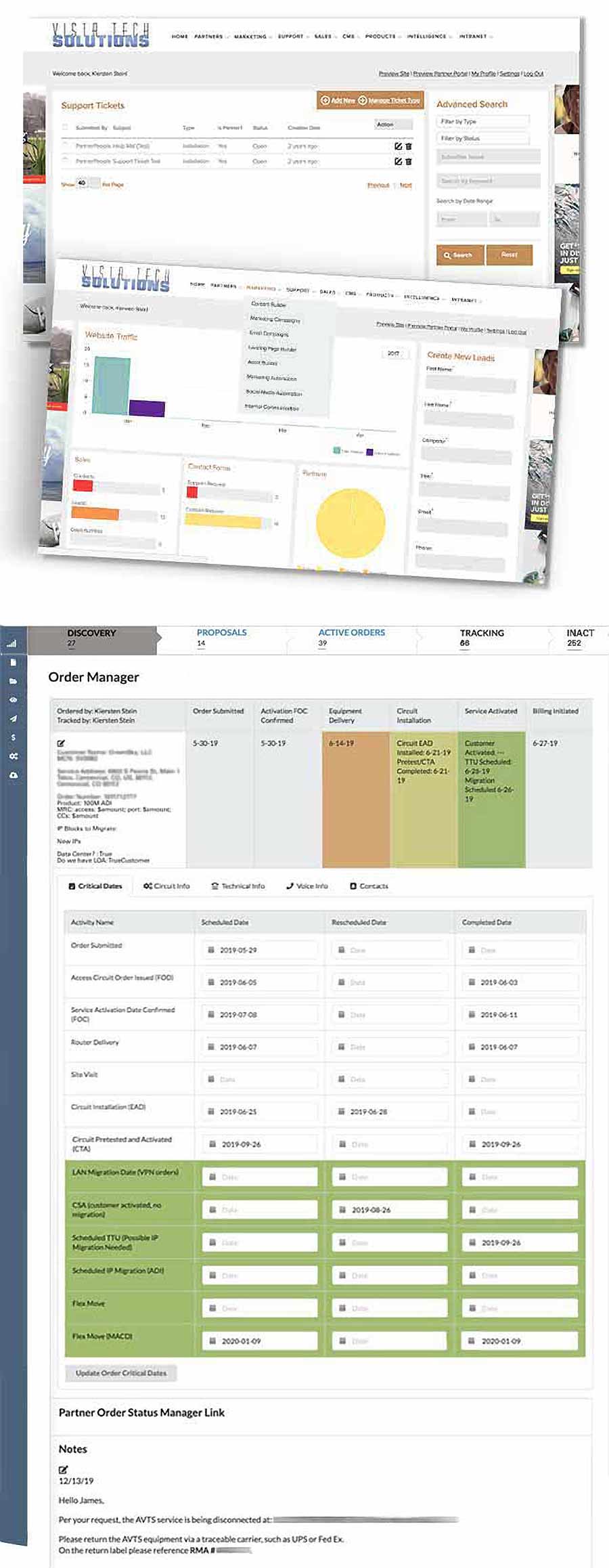
Creating Organizational Visibility.
Stewardship.
Building Systems
That Think
How do organizations experience clarity instead of complexity?
Eventually, the work moved deeper into the systems beneath the experience.
Sales, projects, contracts, leads, reporting, communication, marketing, partner and customer relationships all needed more than tools. They needed structure that reflected how people actually worked.
I learned that internal systems are never just internal. They shape what teams can see, how quickly they can respond, how confidently they can make decisions, and how effectively they can serve others.
Through the years, building an enterprise information system always demanded hundreds of moving parts. Competing priorities. Tight deadlines. Interconnected workflows. Decisions in one part of the organization inevitably affected another.
The system wasn't simply organizing information.
I was designing visibility itself.
That work was part of a much broader systems journey. Across industries and operating environments, I designed and helped build large-scale e-commerce platforms for companies including Time Warner and Porcelanosa, prescription drug portals, computer-based training systems for maritime students, and other digital environments created around very different users, requirements, and outcomes.
The technologies changed. The audiences changed. The operational and regulatory demands changed. The underlying challenge rarely did: understand the relationships within complexity, create structure around them, and make what matters visible to the people who need to act.
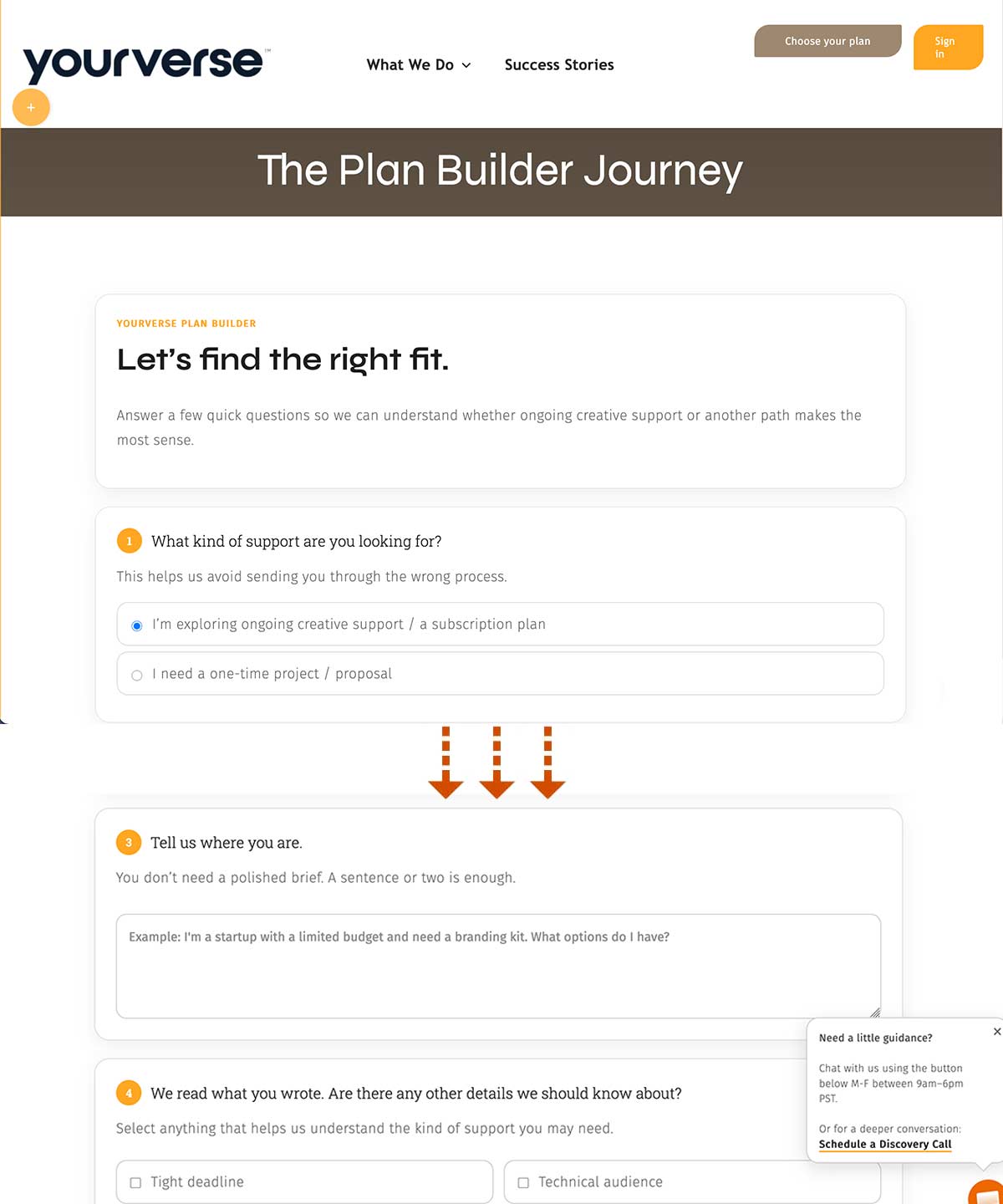
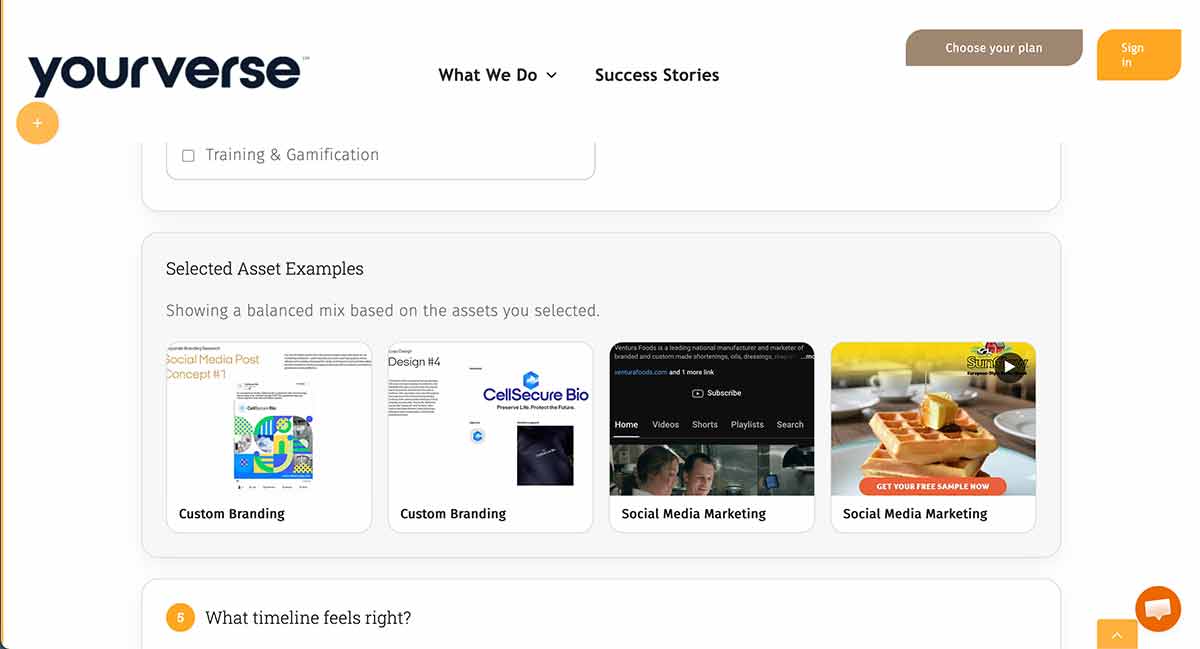
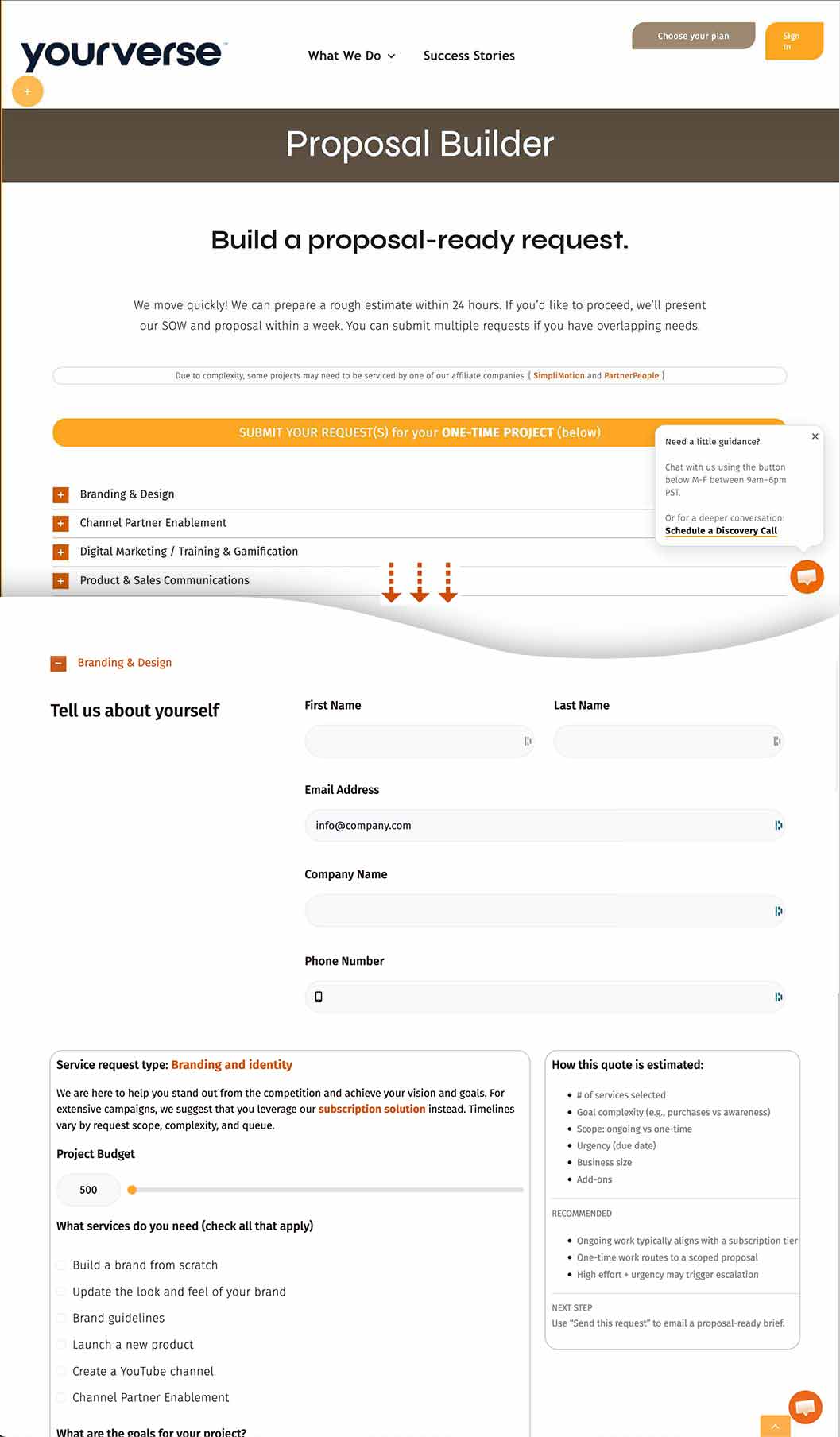
Most recently, while developing sophisticated guided experiences, dynamic recommendation engines, image mapping, and interactive user journeys, I was reminded of the same principle: complexity beneath the surface does not have to become complexity for the user.
A well-designed system should feel effortless even when thousands of decisions are working together beneath the surface, and it should remain flexible enough to evolve as needs change.
The best systems do not ask users to think harder. They allow people to think more clearly.
What happens when systems thinking expands beyond the system itself?
Behind a
Transformation
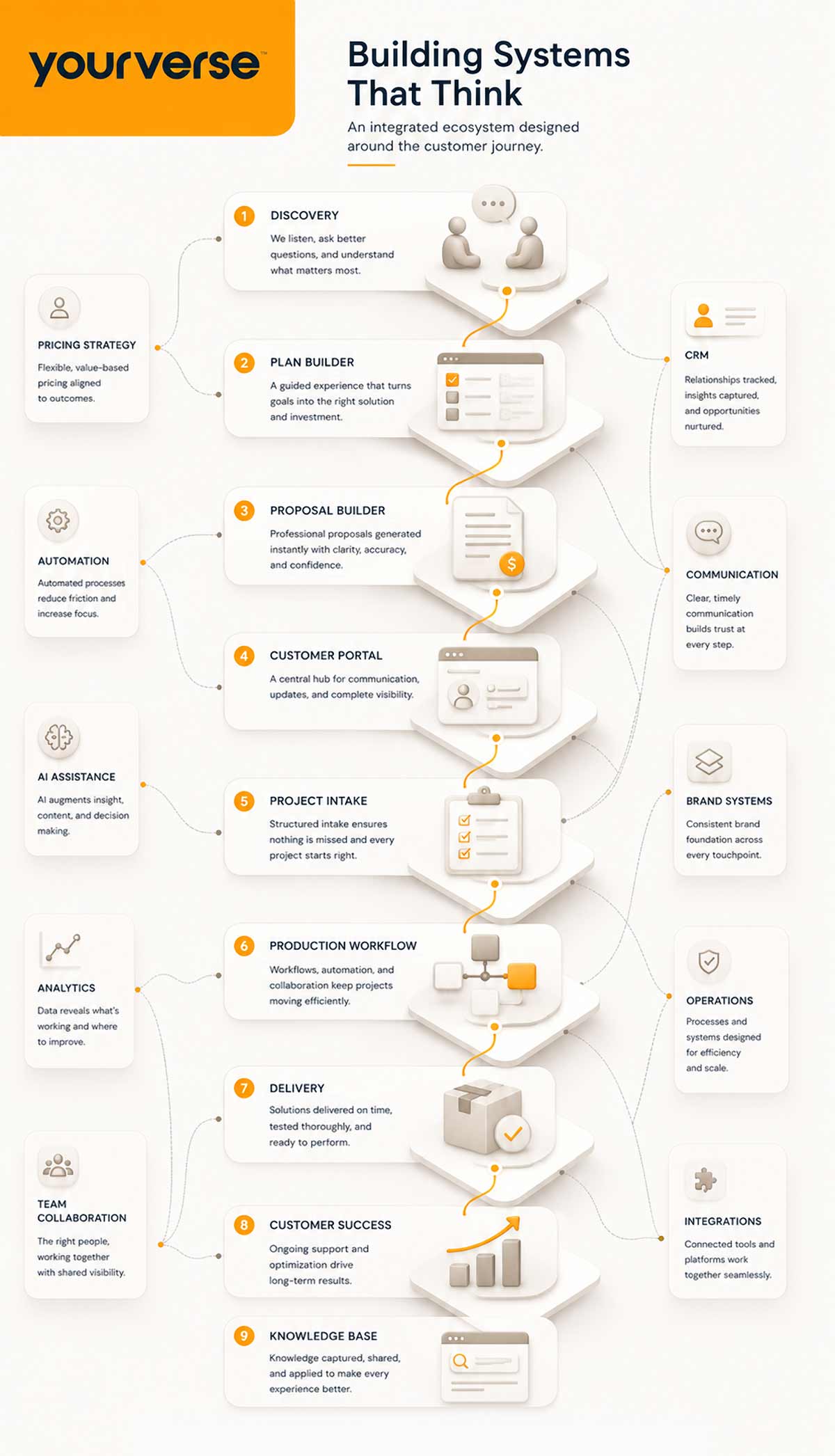
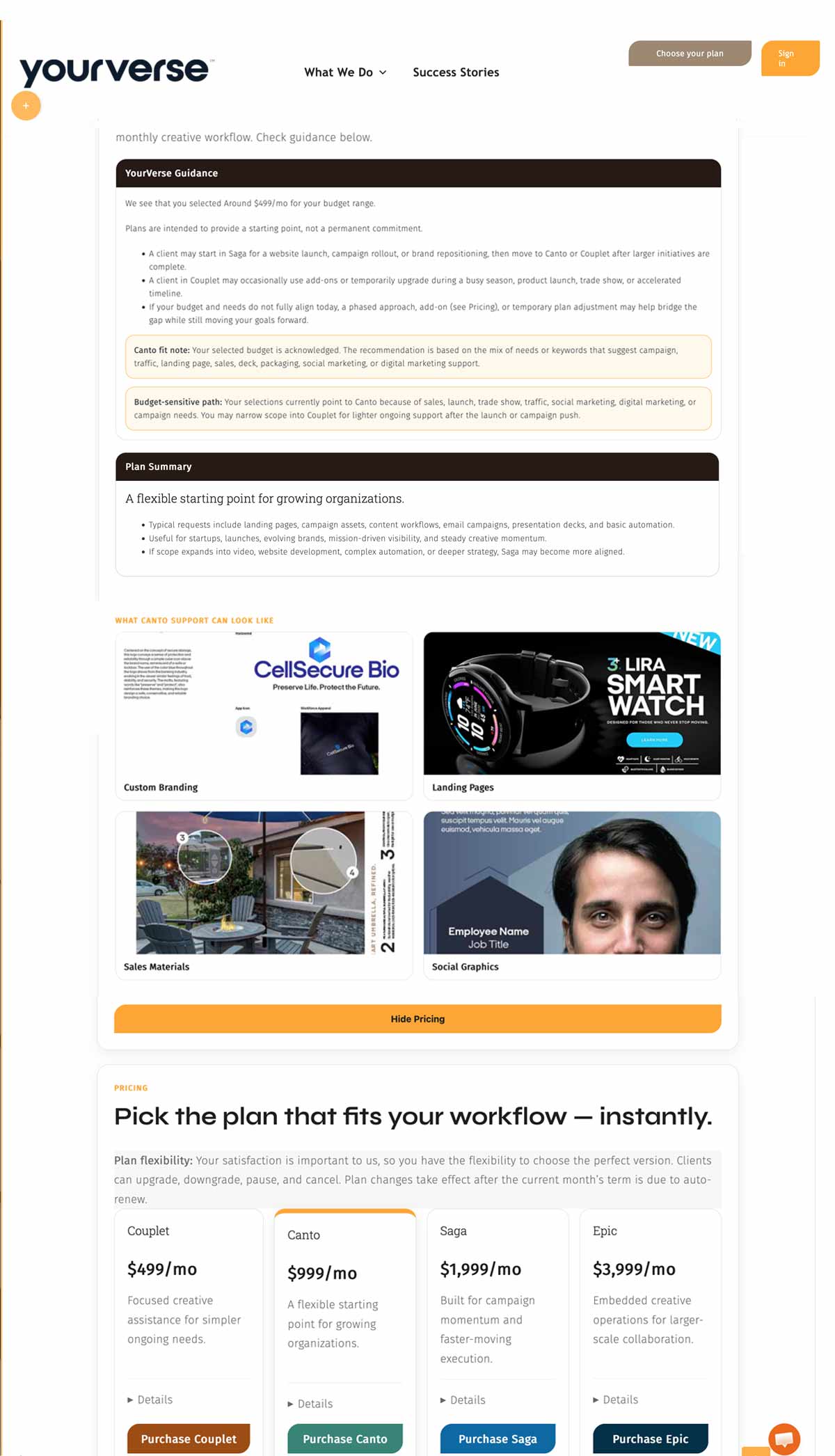
Reimagining YourVerse required looking beyond the website to the business system beneath it: how services were structured, how customers discovered what they needed, how opportunities moved through the organization, and how a distributed team could support delivery.
I began connecting those relationships across positioning, pricing, guided discovery, customer experience, operational workflows, sales enablement, affiliate infrastructure, and the digital systems supporting them.
The website wasn't the transformation.
It was one expression of a much larger business ecosystem.
The thinking extended to the commercial model itself. I restructured the subscription offering around clearer service tiers, pricing, and customer pathways, designing guardrails and incentives that balanced how services were used with the resources required to deliver them—while preserving meaningful value for the client as a core part of the mission. Guided plan discovery and proposal systems then helped translate that structure into a clearer customer experience.
I was also exploring whether the business ecosystem itself could distribute value more intelligently. An Affiliate Impact Partner Network emerged from that thinking, connecting businesses, brand ambassadors, and mission-aligned organizations through a shared-value model.
The idea extended beyond traditional corporate social responsibility, recognizing environmental education, sustainability, and responsible resource management as both matters of stewardship and foundations of sound business practice. Circular thinking asks organizations to consider not only what they create, but how resources, relationships, knowledge, and value can continue moving through a system rather than being unnecessarily depleted or discarded.
I designed online resource guides to give participants the tools, context, and pathways they needed to understand the program, make meaningful introductions, and participate without adding unnecessary friction.
It was another layer of the same systems question:
What becomes possible when the relationships surrounding a business are designed as thoughtfully as the systems within it?
Each decision affected another. The challenge was not simply adding capability; it was creating coherence.
Even the customer-facing experience reflected that thinking. Guided discovery, dynamic recommendations, image mapping, embedded media, and custom user journeys created significant complexity beneath the surface, while independent performance testing returned 0 ms Total Blocking Time and excellent layout stability.
Complexity was necessary inside the system. It didn't need to become the user's experience.
But transformation revealed something else: designing an interconnected system is only part of the work. Sustaining it requires alignment between vision, resources, decision-making, and the organization's capacity to execute.
The strongest systems align what is possible with what an organization is prepared to sustain.
Thoughtful transformation connects strategy, people, process, technology, and experience into something that works as a whole.
Clarity begins with understanding what connects.
Curiosity Made
Visible
Curiosity is more than asking questions. It is an act of stewardship. When people feel understood, better decisions naturally follow.
The threshold was never between disciplines. It was between what I understood yesterday and what I was willing to discover next.
Every chapter of this journey eventually led back to the same place: rather than beginning with solutions, I learned to begin with questions.
Whether shaping, guiding, transforming, connecting, or designing, the work begins the same way.
Understand first. Design second. Build with intention—because customers and clients are the experts in their own frustrations.
Today that philosophy lives inside every discovery conversation, every client engagement, every operational system, and every experience I help create.
I have never thought of mastery as a destination. It's a lifelong practice of curiosity, discipline, and refinement.
The tools have changed dramatically over the course of my career, but the instinct behind how I approach them has not.
My use of generative AI and the tools emerging today is informed by everything that came before them: analogue production, visual thinking, early digital experimentation, information systems, emerging technologies, business transformation, and the human relationships surrounding all of it.
Technology can accelerate what we create. It can extend our capacity, reveal patterns, and open possibilities that once seemed unreachable, but recognizing what matters, asking a meaningful question, exercising judgment, and imagining what does not yet exist remain profoundly human.
Before a machine could learn, a human had to wonder.
That is the thread I continue to follow. (AI-augmented Case Studies accessible from below, or via the top navigation menu)

There were never boundaries.
Not between art and technology.
Not between strategy and execution.
Not between imagination and innovation.
Just Curiosity and Intimate Distance.

Insight.
Understanding before action.
Impact.
Execution with intention.
Excellence.
Stewardship beyond delivery.
How do you want the world to speak "your" name?
Let’s build something worthy of that answer.
